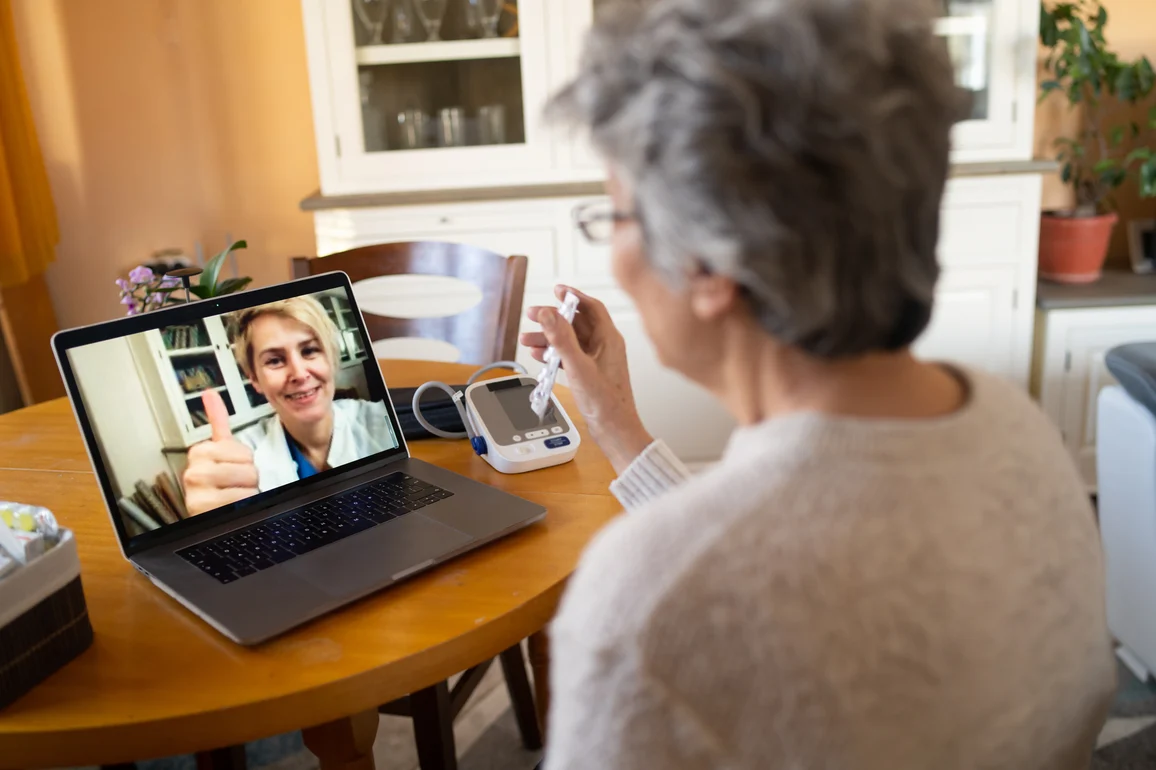
Virtual primary care transforms routine health checkups by eliminating travel requirements while maintaining comprehensive medical evaluations through digital platforms. Patients can access healthcare providers from home through video calls, mobile apps, and remote monitoring devices. This shift enables more frequent health monitoring and immediate medical consultations. Virtual Care Provider, allows patients to receive quality healthcare without traditional office visits.
Contents
Remote consultation procedures
Healthcare providers conduct thorough medical evaluations using high-definition video technology that enables visual examination of patients’ general appearance, skin conditions, and visible symptoms. Digital stethoscopes and otoscopes allow remote assessment of heart sounds, lung function, and ear examinations when patients have these devices. Standardized questionnaires and symptom assessments guide consultations while ensuring comprehensive health evaluations. Providers observe patient mobility, breathing patterns, and general wellness indicators through video interactions that reveal essential health information. Remote consultations include medication reviews, symptom discussions, and treatment plan adjustments that traditionally required in-person visits. Family members participate in consultations more easily, providing additional health history and support during medical talks.
Digital health monitoring
Wearable devices and smartphone applications continuously track vital signs, activity levels, and health metrics, providing ongoing health data between scheduled checkups. Blood pressure monitors, glucose meters, and pulse oximeters transmit readings directly to healthcare providers for real-time monitoring. These devices enable early detection of health changes requiring immediate attention or treatment adjustments.
- Heart rate variability tracking identifies potential cardiovascular issues before symptoms appear
- Sleep pattern monitoring reveals rest quality issues affecting overall health and wellness
- Step counters and activity trackers assess physical fitness levels and movement patterns
- Weight scales with connectivity features monitor trends that indicate health changes
- Medication adherence apps ensure proper dosing schedules and treatment compliance
Continuous monitoring creates comprehensive health pictures that support proactive care rather than reactive treatment approaches.
Prescription management changes
Electronic prescribing systems enable immediate medication orders and pharmacy coordination without requiring patients to visit medical offices for prescription pickups. Medication management becomes more streamlined as providers can monitor prescription adherence and side effects through digital communication channels. Refill requests and dosage adjustments occur through secure messaging platforms that maintain treatment continuity. Digital pharmacies deliver medications directly to patients’ homes while coordinating with healthcare providers about potential drug interactions or side effects. Prescription reminders and medication tracking apps help patients maintain proper dosing schedules while reporting any adverse reactions immediately. Insurance coordination and prior authorization processes often move faster through digital systems that reduce administrative delays.
Patient convenience improvements
Appointment scheduling becomes more flexible as virtual visits eliminate commute time and parking concerns that often complicate traditional healthcare access. Patients can schedule consultations during lunch breaks, early mornings, or evening hours that accommodate work schedules. Childcare and transportation barriers disappear when medical consultations occur in home environments.
- Same-day appointments become more available without physical space limitations
- Reduced waiting room time eliminates exposure to other patients’ illnesses
- Family caregivers can participate more easily in medical discussions and decisions
- Specialists access increases as geographic boundaries become less relevant
- Documentation sharing happens instantly through secure electronic health records
Emergency consultations can occur immediately when urgent health concerns arise, preventing unnecessary emergency room visits for non-critical conditions.
Follow-up care evolution
Post-appointment monitoring improves as providers can check patient progress through regular digital check-ins rather than waiting weeks for follow-up appointments. Treatment plan adjustments happen more quickly when providers receive ongoing health data and patient feedback. Chronic disease management becomes more effective through continuous monitoring and frequent provider communication. Recovery tracking after procedures or illness becomes more comprehensive as patients report symptoms and progress daily rather than during scheduled visits. Preventive care reminders and health screenings can be scheduled more efficiently when the administrative burden decreases. Patient education resources become more accessible through digital platforms that support ongoing health improvement efforts.