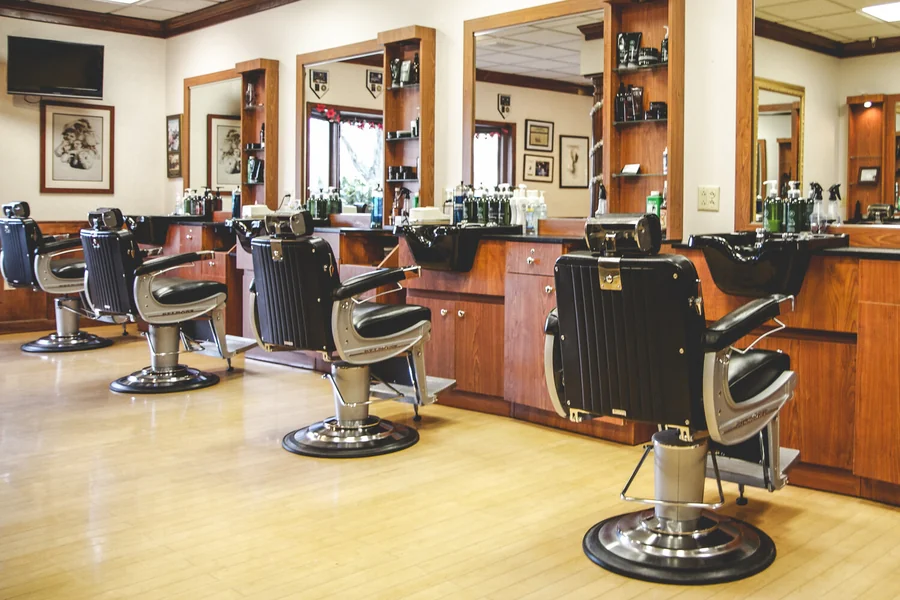
Modern barbershops have transformed from simple hair-cutting establishments into comprehensive grooming destinations that blend classic barbering traditions with contemporary services and amenities. These establishments now offer expanded service menus, sophisticated atmospheres, and customer experiences beyond basic haircuts and shaves. The transformation reflects changing consumer expectations and lifestyle demands that require more comprehensive grooming solutions. The Preston Hollow Barbershop exemplifies this modern approach by integrating traditional barbering skills with contemporary amenities and service offerings. The shift represents a broader industry transformation where barbershops compete on cutting skills and overall customer experience, ambience, and service diversity that appeal to today’s discerning clientele.
Contents
Traditional barbershops focused primarily on haircuts, straight razor shaves, and basic beard trimming using fundamental techniques passed down through generations. These establishments operated with minimal service variety, concentrating on perfecting essential barbering skills rather than diversifying their offerings. The straightforward approach emphasised craftsmanship in core services without attempting to expand into adjacent grooming categories. Modern barbershops now provide comprehensive grooming packages, including specialised beard treatments, moustache styling, eyebrow trimming, nose hair removal, and skincare services. Many establishments also offer scalp treatments, hair washing services, and grooming product consultations that help clients maintain their appearance between visits. This expanded menu transforms barbershops into full-service grooming destinations rather than simple hair-cutting venues.
Atmosphere and ambience
Traditional barbershops maintained masculine environments with simple decor, basic seating, and utilitarian fixtures that prioritised function over aesthetics. These spaces often featured vintage elements like antique mirrors, simple chairs, and minimal decoration, creating timeless but spartan atmospheres. The focus remained on the barbering craft rather than environmental design or customer comfort beyond necessities. Contemporary barbershops invest heavily in interior design, creating upscale, lounge-like atmospheres with comfortable seating areas, premium fixtures, and carefully curated decor. These spaces often incorporate industrial design elements, exposed brick, leather furniture, and sophisticated lighting that appeals to style-conscious customers. The enhanced environments position barbershops as lifestyle destinations rather than purely functional service providers.
Customer experience philosophy
Modern barbershops emphasise relationship-building and personalised service beyond the haircut or shave. Barbers now function as style consultants who discuss lifestyle needs, professional requirements, and personal preferences to recommend appropriate grooming approaches. This consultative model creates ongoing client relationships rather than transactional service interactions. The experience often includes complimentary beverages, extended consultation periods, and post-service styling advice that add value beyond the basic service. Many establishments also provide retail opportunities where customers can purchase professional-grade grooming products recommended by their barbers, creating additional revenue streams while supporting customer satisfaction.
Pricing and business models
- Traditional barbershops operated on standardised pricing with minimal variation between services or customers
- Modern establishments implement tiered pricing structures that reflect service complexity and barber experience levels
- Package deals combine multiple services at discounted rates to encourage comprehensive grooming appointments
- Membership programs offer regular customers reduced rates and priority booking privileges
- Premium services command higher prices that reflect enhanced training, specialised products, and extended service times
- Retail product sales supplement service revenue through commission-based sales of grooming accessories and maintenance products
The transformation of barbershops reflects broader changes in male grooming habits and expectations that demand more sophisticated service offerings while maintaining the craftsmanship traditions that define quality barbering.