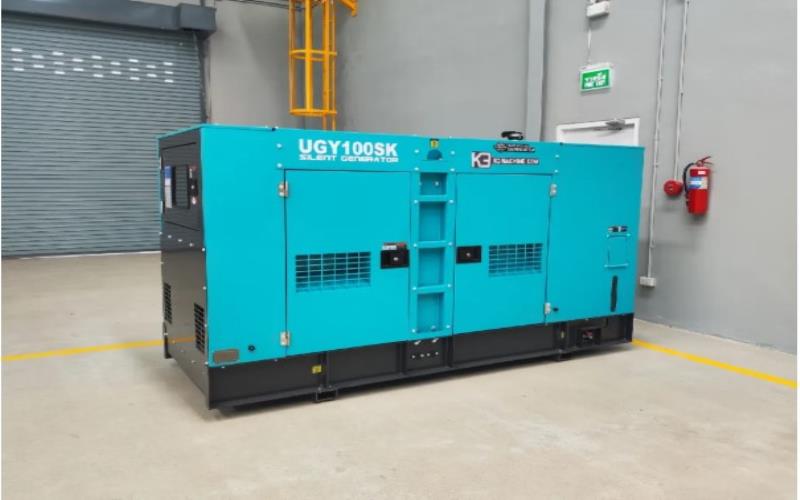
Generators and alternators are needed for back-up power supply & round the clock operation in Homes, Businesses or Industries. But these machines just like any other mechanical equipment can fail leading to a power outage. We’ll discuss the most commonly encountered issues with alternators and generators (k3machine.co.th เครื่องปั่นไฟ) in this article as well as provide solutions to help you diagnose and correct these problems. Having a fully-operational alternator and generator can prevent unnecessary power failures, giving you peace of mind while saving time and money.
Contents
- Introduction to Alternator vs Generator Systems
- 1. Battery Charging Issues
- 2. Overheating Alternator
- 3. Noisy Alternator Operation
- Generators Often Encounter Problems And Solution
- 1. Failure to Start
- 2. Low Power Output
- 3. Unexpected Shutdown of Generator
- 4. Excessive Exhaust Smoke
- Alternator and Generator Preventative Maintenance
- Conclusion
Introduction to Alternator vs Generator Systems
However, first it is vital for you to know the basics about what alternators and generators are. Although they are frequently used interchangeably, specific responsibilities will often be understood by each breed of frog. A generator is a device that converts mechanical energy into electrical energy, producing either direct (DC) or alternating current (AC), depending on the design of a particular system. An alternator is responsible for making AC, so it’s a prevalent part in most power generation systems today.
Alternators and generators are both essential to caring for electricity in a wide range of applications, therefore the malfunctioning of these components could result in tremendous disorders. Here, we have discussed some of the prevalent alternators and generator problems that you face with them and ensure a fast solution.
Another exciting fact is that if you can understand the common problems with alternators, it will help to prevent this kind of expensive situation.
1. Battery Charging Issues
Headache problem of alternators is the need for adequate proper electric battery reception. That usually occurs when the alternator does not produce sufficient power to refill the battery, causing system breakdowns or a no-start condition.
Answer: Start off by inspecting the alternator belt for wear, or competitiveness. A belt that is worn or slipping can cause the alternator not to work. If the belt seems normal, check it with a multimeter to verify that the alternator is charging. But, if the voltage from each cell is less than what’s called for on the manufacturer or a bit lower, that might mean you have an alternator issue. The alternator on this model may need to be fixed or replaced in these scenarios.
2. Overheating Alternator
When running too hot, the internal components in your alternator come under more strain and can become damaged, potentially decreasing their relative lifespan — or leading to outright failure. This can be caused by overloads, lack of ventilation or short circuits
Possible solution: Check Alternator’s Ventilation.AllowGet If the airflow is blocked, then see if there is any debris or anything else blocking it and make sure the cooling works properly in your phone. Likewise, it is worth it to see if the alternator has any short circuit or wiring. This will reduce the electrical load on the alternator and ensure proper ventilation to avoid any overheating problems in future.
3. Noisy Alternator Operation
Therefore unusual sounds originating from the alternator very well may be a sign that there is some type of problem with an internal component. The noise in many cases is because of a loose pulley or bearings that are worn out, as it could also either be the belt being damaged theprimenames.com.
Solution: Check the pulley and belt system of your alternator. Alternatively, pull on the pulley from where it turns if its loose tighten to manufacture specifications. Examine bearings and replace if required. Changing wobbly components sooner may help protect the alternator and minimize noise.
Generators Often Encounter Problems And Solution
1. Failure to Start
The problem starts with the most common issue observed in generators, that is they do not start. This may result from any issue with the fuel system, dead batteries or air filters blocking nutrients.
Solution: Keep Fuel System in front-of-mind Check to make sure the fuel tank is full and that there are no obstructions in your fuel lines. Make sure to check that the generator has a fully charged battery, if your battery is dead then you will not start it. Air filters should be cleaned or replaced to ensure the generator breathes enough air for combustion. Keeping these systems maintained can help prevent starting problems.
2. Low Power Output
If your backup power generator is on but providing no or low output of electricity the problem might be caused by an overload condition, wrong voltage settings for the appliances you are running and malfunction in one side alternator.
The solution: To begin with, check with the generator overloading. It is relatively easier to Keep the electrical load on watch so follow making electricity more accessible; reduce it by turning off other devices. Then make sure the generator has been programmed with appropriate voltage settings for your requirements. Check the alternator if low power output generated still exists. It can also be related to a bad alternator preventing you from generating power properly and needing repair or replacement.
3. Unexpected Shutdown of Generator
When a generator suddenly fails to operate, it can be quite the disturbance especially if this occurs whilst crucial operations are being executed. One of the common reasons is that there are problems with fuel supply, the engine overheating or oil levels dropped.
Solution: inspect the fuel tank, if blocked or punctured, you can check for leaks of fuel lines up to↓ Prevent Overheating: Be sure the cooling system of your generator is in good working condition. Add more oil if the levels are low, then double check for leaks from your previous inspection. When fuel runs low, most generators will automatically shut off as a precaution; by the same token, many also include automatic shutoff systems for when oil developments likewise run way too reduced simply to save itself.
4. Excessive Exhaust Smoke
Smoke: If you see a lot of smoke emanating from the exhaust on your generator (it might look like an old steam train—more than usual) then this is indication enough there’s at least something up. That doesn’t necessarily mean whatever has gone wrong needs to be “very” serious but it would depend upon whether or not that particular fault – should one exist, can continue running through towards other parts in which case great amounts may speed forward sooner without much more delay until examination and repair incumbent anxiously arrive at thee… For instance, black smoke can reveal the incomplete combustion process owing to clogged air filters whereas blue or white smoke suggest oil leaks into the main chamber.
Resolution: In case you see black smoke, clean or replace the air filters to restore fresh airflow for combustion. Blue or White Smoke – Check generator for oil leaks, and test piston rings/ valves for wear. By taking quick action you can limit this damage and stop the generator engine from running hot in needless fashion.
Alternator and Generator Preventative Maintenance
Regular maintenance is the only way to protect yourself from inherent problems of alternators and generators. These tips for regular maintenance are inherent so as to keep your systems functioning:
– Periodically Inspect The Alternator Belt And any time it ever starts to get a bit worse and frustrating you, replace that brittle old cord so as not run into charging issues.
Check the fuel system for obstructions and/or leaks. Change out fuel filters as needed.
2- Ensure that the alternator is delivering proper voltage and this can be tested using a multimeter.
An air filter that is dirty restricts the airflow and as a result will either reduce heating/cooling efficiency or can cause combustion issues in your machine, so clean them filters regularly.
– Keep watch on oil levels and fill as needed so you do not get unexpected shutdowns from low oil pressure.
Conduct Load Testing Time To Time: Always make sure you are capable of handling the required power, hence always perform regular load tests on your generator.
By implementing these maintenance steps, you can greatly reduce the odds of failure in your alternators and generators and follow through on an enlightening/cultivating experience for all.
Conclusion
In home and commercial environments, industrial settings: maintaining an efficient alternator-generator system is vital to continuous power supply. When you know what kinds of problems are shared across them and how to fix or troubleshoot those common issues, then you greatly reduce the chances that your crane will go down without warning because of something needing service. With proper maintenance and repair, your alternator / generator will work well when you need it the most.
Whether you own a business or just need to power your home, taking care of alternator and generator systems can prevent outage meltdowns and help with longevity. Follow the troubleshooting solutions outlined here to address any common problems, and remember that you should always consult a professional when more serious repairs or replacements are required.
Read this original, non-plagiarized article that has been written in natural English language with an inclusion of ‘Alternator and Generator (k3machine.co.th เครื่องปั่นไฟ)’ keyword for improved SEO. It tends to go hand in hand with SEO rankings and really gives valuable information that your readers will appreciate.