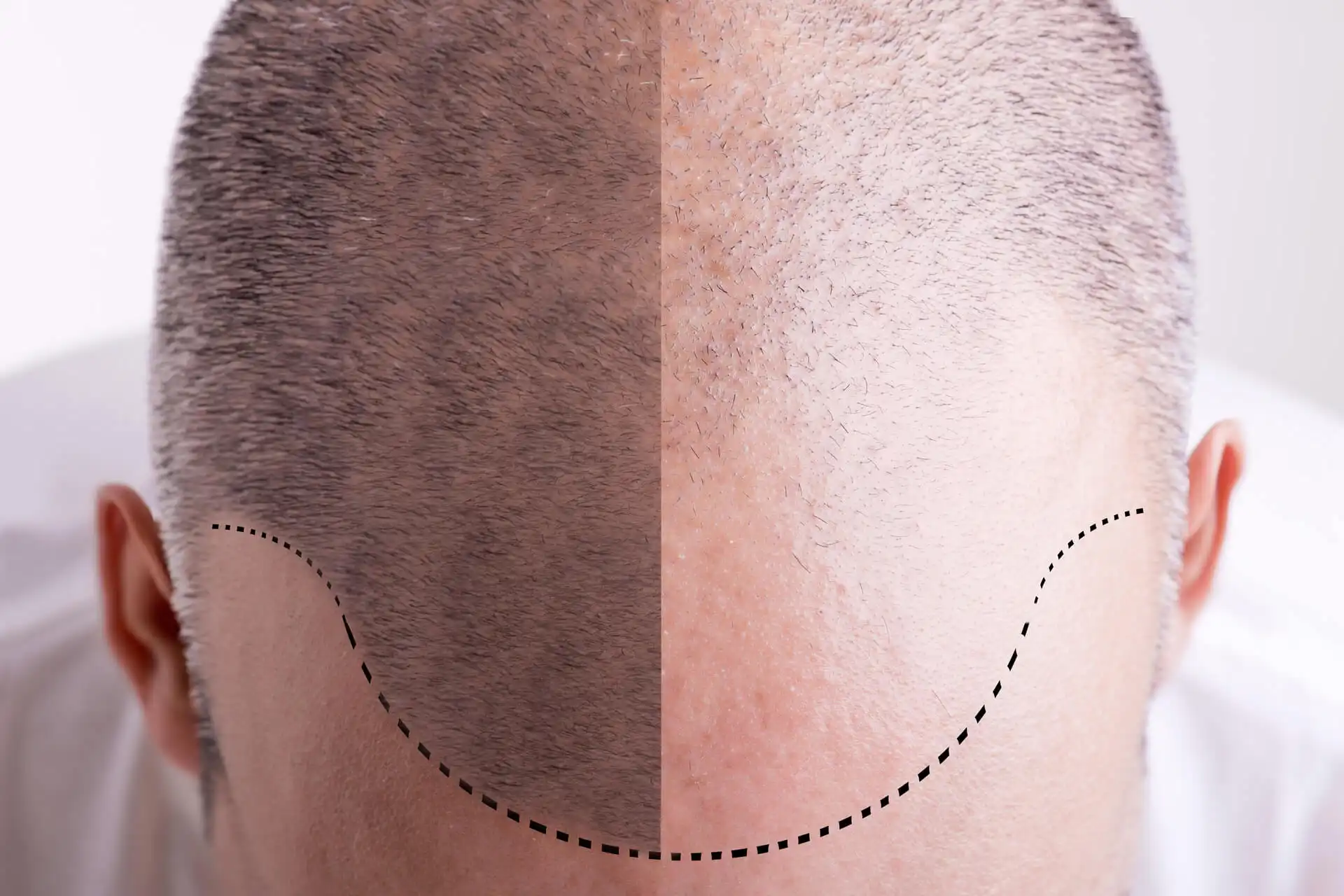
A scalp micropigmentation procedure mimics the appearance of hair follicles on the scalp. This innovative treatment creates the illusion of fuller hair density through precise pigment application that mimics natural hair growth patterns. Scalp Micropigmentation in Los Angeles has gained considerable popularity as practitioners perfect techniques that deliver remarkably realistic results for various hair loss conditions.
Pigment application
The scalp micropigmentation procedure involves depositing specialized pigments into the scalp’s dermal layer using micro-needles. These needles penetrate much shallower than traditional tattoo equipment, typically reaching only the papillary dermis to ensure proper pigment retention without migration. Practitioners use varying needle configurations and pigment densities to create realistic hair follicle impressions that match individual hair characteristics. The pigmentation process requires multiple sessions several weeks apart to achieve optimal density and colour matching. Initial sessions establish the basic hairline and overall pattern, while subsequent appointments build depth and refine details. Depending on the treatment area’s size and the desired outcome’s complexity, each session typically lasts two to four hours.
Treatment area preparation
Proper preparation ensures optimal pigment retention and minimizes complications during the procedure. Cleaning the scalp thoroughly is necessary to remove oils, dead skin cells, and residues from hair care products that could impede pigment absorption. Some practitioners recommend avoiding alcohol, caffeine, and blood-thinning medications for several days before treatment.
- Client consultation includes a medical history review and scalp condition assessment
- Hairline design discussion with digital mapping and marking techniques
- Skin sensitivity testing to identify potential allergic reactions
- Pre-treatment photography for progress documentation and comparison
- Detailed aftercare instruction provision covering healing protocols
Hair in the treatment area typically requires trimming to very short lengths or complete removal to allow precise pigment placement. The scalp receives topical numbing agents to minimize discomfort during the procedure, though pain levels remain manageable for most clients.
Needle depth precision
Achieving consistent needle depth represents one of the most critical aspects of successful scalp micropigmentation. Too shallow penetration results in rapid pigment fading, while excessive depth causes the pigment to spread and appear unnatural. Skilled practitioners maintain precise depth control throughout the entire procedure. Different scalp areas require adjusted needle depths due to varying skin thickness and sensitivity. The hairline typically demands the shallowest penetration to create the most natural-looking follicle impressions, while crown areas can accommodate slightly deeper applications for enhanced longevity. Modern equipment includes depth control mechanisms that help practitioners maintain consistency across large treatment areas. A digital device provides real-time feedback about penetration depth, reducing human error and improving treatment outcomes.
Healing timeline stages
The healing process unfolds in predictable stages that affect pigment appearance and final results. Initial healing occurs within the first week as micro-scabs form over each pigment deposit. These scabs naturally shed, taking some pigment with them and creating a lighter appearance than immediately post-treatment.
- Days 1-3 show darkest pigment appearance with mild swelling and redness
- Days 4-7 feature scab formation and initial colour lightening
- Days 8-14 involve scab shedding and continued pigment settling
- Days 15-30 reveal stabilized colour and healed skin texture
- Months 1-2 allow final colour assessment and touch-up scheduling
Complete healing requires approximately four to six weeks before practitioners can accurately assess the colour retention and determine whether additional sessions are necessary. Clients must follow strict aftercare protocols during this period to ensure optimal healing and pigment retention. The multi-session process builds gradual density while allowing proper healing between treatments. Success depends on practitioner expertise, quality equipment, appropriate pigment selection, and diligent client aftercare.