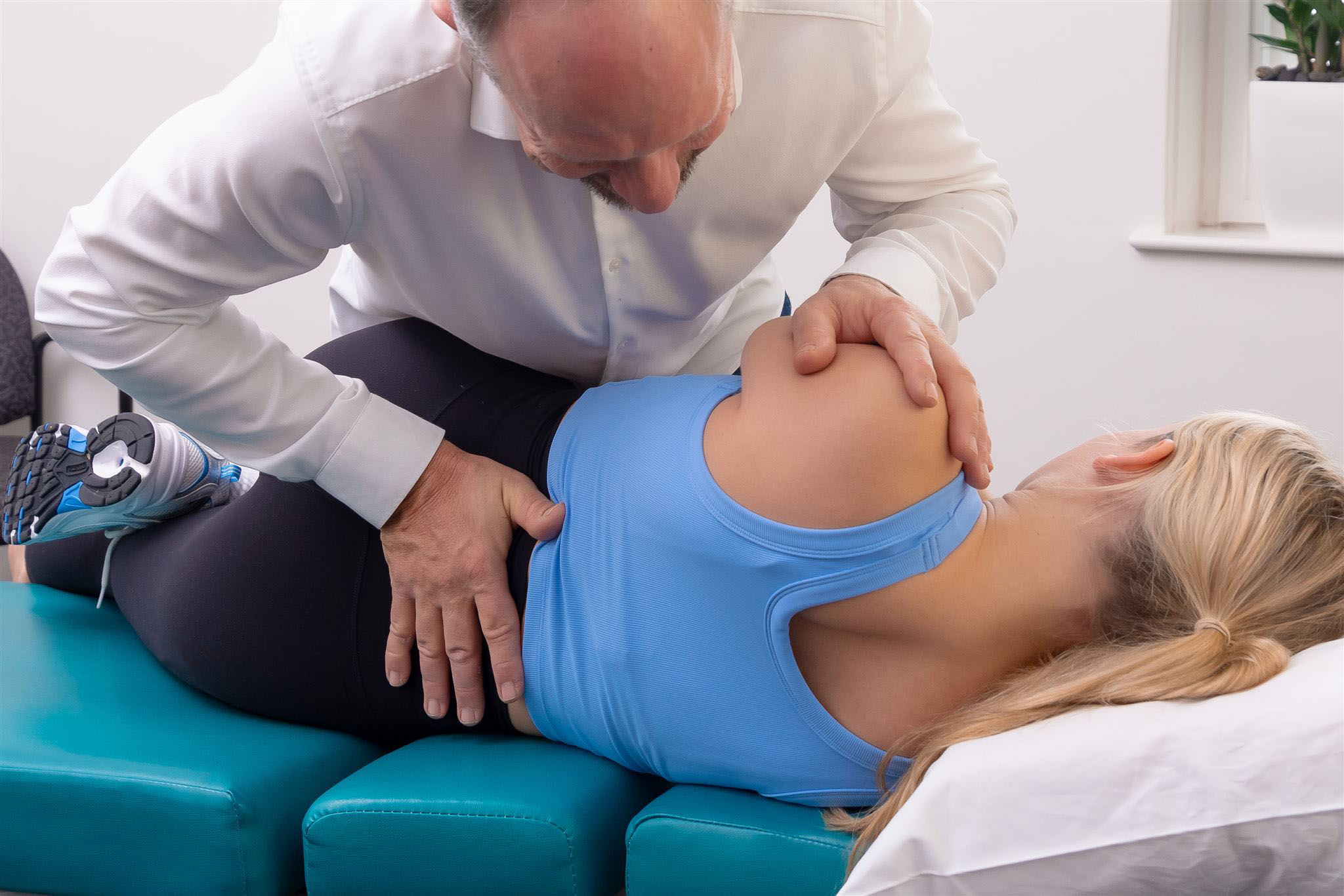
Chiropractic adjustments and massage therapy create synergistic effects when combined in treatment protocols, addressing musculoskeletal problems through complementary mechanisms that target different aspects of the same underlying issues. These therapies work sequentially and simultaneously to enhance healing outcomes, with each modality preparing the body for maximum effectiveness of the other. The integrated approach often produces superior results compared to either treatment used in isolation. Chiropractor and Massage combinations have become standard practice in comprehensive musculoskeletal care, with practitioners coordinating their efforts to address structural alignment and soft tissue health. This collaborative approach recognises that spinal health depends on proper joint function and optimal muscle condition, requiring special attention to each component for complete therapeutic success.
Contents
Complementary treatment mechanics
Chiropractic adjustments focus on restoring proper joint movement and spinal alignment through precise manipulative techniques. These adjustments correct subluxations and mechanical dysfunctions that restrict standard movement patterns and create compensatory stress throughout the musculoskeletal system. The mechanical corrections achieved through adjustments provide the foundation for improved overall function and reduced pain patterns. Massage therapy addresses the soft tissue components surrounding spinal joints, including muscles, fascia, ligaments, and tendons that support spinal stability. Therapeutic massage techniques release muscle tension, improve circulation, and reduce tissue inflammation that may contribute to spinal dysfunction. This soft tissue work creates optimal conditions for chiropractic adjustments while addressing muscle-related pain and stiffness that adjustments alone cannot resolve.
Muscle preparation methods
- Deep tissue massage techniques release chronic muscle tension that restricts joint mobility before chiropractic adjustments
- Trigger point therapy eliminates muscle knots that create referred pain patterns affecting spinal function
- Myofascial release addresses connective tissue restrictions that limit normal movement and contribute to postural problems
- Swedish massage improves circulation and reduces muscle guarding that can interfere with adjustment effectiveness
- Sports massage techniques prepare athletes for adjustments while addressing performance-related muscle imbalances
- Neuromuscular therapy corrects muscle firing patterns that contribute to spinal misalignment and dysfunction
Structural alignment synergy
The combined approach addresses immediate symptom relief and structural correction that prevents problem recurrence. Massage therapy relaxes protective muscle spasms that often develop around injured or misaligned spinal segments, making chiropractic adjustments more comfortable and practical. When muscles are relaxed and circulation improves, joints move more freely, and adjustments hold better over time. Proper spinal alignment achieved through chiropractic care reduces abnormal stress on surrounding muscles, allowing massage therapy to address underlying tension patterns rather than constantly fighting against structural dysfunction. This creates positive feedback loops where each treatment enhances the effectiveness of the other, leading to faster healing and more sustainable results than either approach could achieve independently.
Treatment sequence optimisation
Strategic timing of chiropractic and massage sessions maximises therapeutic benefits while minimising patient discomfort and treatment time requirements. Massage before adjustments often makes manipulations easier and more comfortable by reducing muscle tension and patient apprehension. The relaxed state achieved through massage allows chiropractors to perform adjustments with less force while achieving better results. Post-adjustment massage helps patients maintain newly achieved spinal alignment while preventing the muscle soreness that sometimes follows chiropractic treatment. This supportive care approach reduces treatment reactions while reinforcing the therapeutic benefits of spinal adjustments. The combined protocol creates comprehensive care that addresses multiple aspects of musculoskeletal health through coordinated professional expertise.